
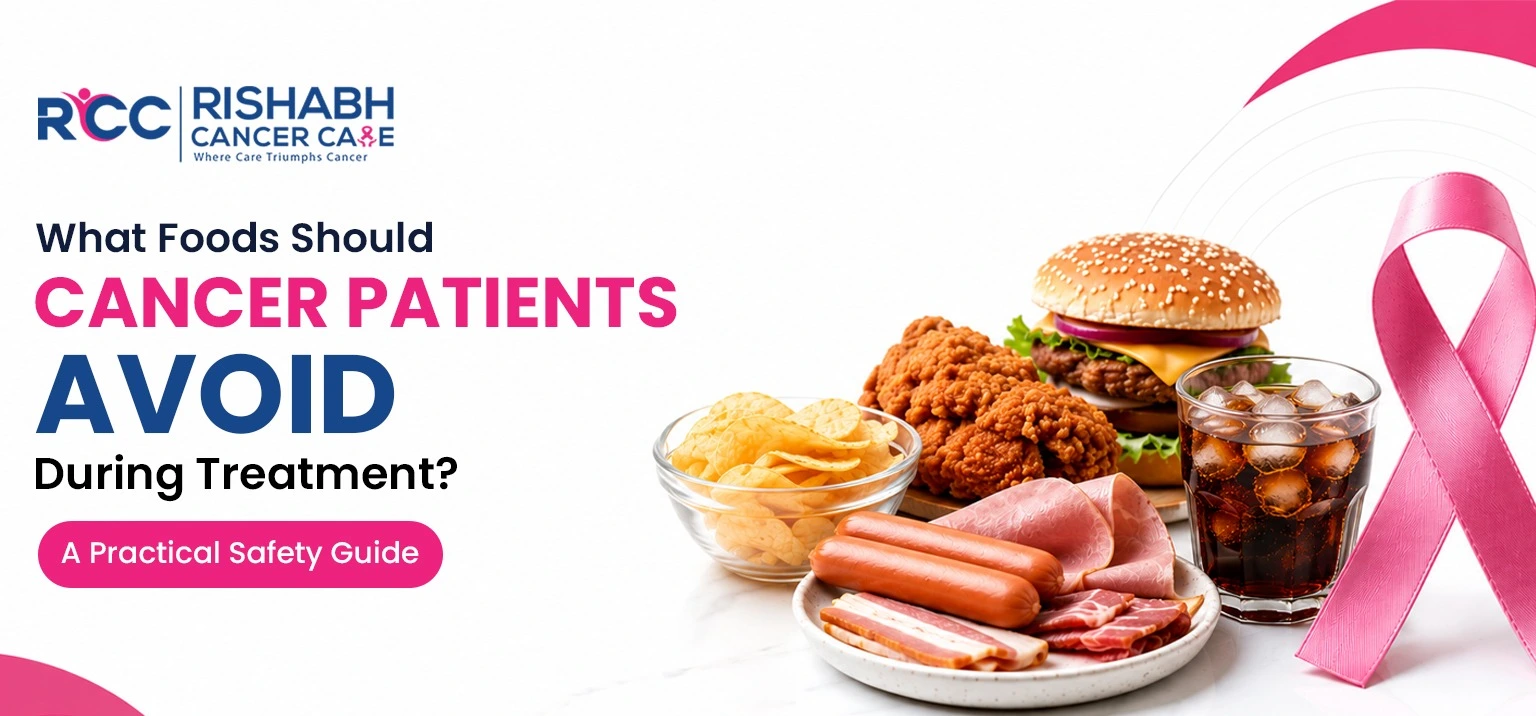
Why do doctors tell cancer patients to be careful with following any diet? The answer lies in following medical courses such as chemotherapy and other treatments that are used to kill cancer cells. During the treatment, patients’ immunity may get weaker. In this situation, some foods may increase the risk of infection, worsen side effects or interfere with how specific medicines work in the body. This is why understanding the foods to avoid for cancer patients matters so much during this stage of care.
Diet restrictions are personalised as per the patient’s condition. The right approach mainly depends on the patient’s current blood count, treatment types, symptoms and any other medical conditions. To understand more in detail, we’ll discuss some foods to avoid during cancer treatment and how well you can manage these conditions. It is also important to note that this is general guidance and does not replace advice from the oncology team.
What Foods Should Cancer Patients Avoid?
In general, the foods to avoid for cancer patients are raw eggs, raw or undercooked meat, unpasteurised meals and those that are unhygienic in nature. You should also avoid leftovers that haven’t been reheated properly. Along with foods, avoid consuming alcoholic beverages, medicines and any supplements that are not approved by your doctor.
Why Do Food Restrictions Change During Cancer Treatment?
For cancer patients, food restrictions change during the treatment to manage side effects and protect the immune system from infection. Treatments such as chemotherapy may reduce whole blood cell count, and because of that, the body’s immune system may weaken. As a result, it increases the risk of bacterial infection. Radiation to the mouth or throat can cause sores that make certain textures painful to eat. Some medications also interact with specific foods that change how well they work in the body.
Some cancer patient food restrictions come from existing health conditions. For example, diabetes requires control for having any food that increases your insulin levels. At the same time, controlling kidney disease may require limiting consumption of foods that have higher amounts of potassium, phosphorus, and sodium.
Foods That May Carry a Higher Infection Risk
Some foods carry a higher chance of contamination. The following table breaks down which foods to avoid when immunity is low and what to choose instead.
| Food or Drink | Why It May Be Risky | Who May Need to Avoid It | Safer Alternative |
| Roadside juice | Often made with unfiltered water and ice | Patients with low white blood cell counts | Fresh juice made at home with filtered water |
| Raw chutney | Made with raw herbs, left at room temperature | Patients during chemotherapy cycles | Cooked chutney or bottled, pasteurised sauces |
| Improperly stored rice | Bacteria can grow if left out for hours | All patients with weakened immunity | Freshly cooked rice, refrigerated within an hour |
| Homemade dairy from unpasteurised milk | May carry bacteria not eliminated through boiling alone | Patients with neutropenia | Pasteurised milk, paneer, or curd |
| Street food | Prepared and stored in unhygienic conditions | Most patients during treatment | Home-cooked meals |
| Buffet food | Sits at room temperature for long periods | Patients with low immunity | Freshly prepared meals |
It is also important to note that washed fruits and vegetables are not automatically off limits for every patient. Food restrictions may depend on blood count and the doctor’s recommendation. Here are some more foods to avoid for cancer patients:
- Raw or Undercooked Eggs, Meat and Seafood
- Unpasteurised Milk, Paneer, Juice and Dairy Products
- Raw Sprouts, Unwashed Produce and Unhygienic Street Food
- Buffet Food and Improperly Stored Leftovers
Foods to Limit When Treatment Side Effects Occur
Side effects of cancer treatment may vary from person to person, and so does the list of what not to eat during chemotherapy. Here is a table matching the common side effects with foods that make them worse, with some better alternatives:
| Side Effect | Foods That May Worsen It | Safer or Easier-to-Tolerate Alternative |
| Nausea | Greasy, fried, or very sweet foods | Bland, low-fat foods such as toast, rice, or crackers |
| Strong smell sensitivity | Fried foods, strongly seasoned or cruciferous vegetables | Poultry, eggs, dairy; cold or room-temperature meals |
| Mouth sores | Citrus fruit, spicy foods, tomato-based dishes, salty or crunchy foods | Soft, bland foods such as mashed potatoes, khichdi, or curd rice |
| Diarrhoea | High-fat, fried, or high-fibre foods, caffeine | Bananas, plain rice, applesauce, toast (BRAT-style meals) |
| Constipation | Low-fibre, highly processed foods, insufficient fluids | Fibre-rich fruits, vegetables, and adequate water |
| Taste changes | Strongly metallic-tasting or red meat if it tastes off | Marinated dishes, cold foods, milder flavours |
| Swallowing difficulty | Dry, hard, or crunchy foods | Soft, moist foods such as stews, dal, or pureed dishes |
Alcohol, Processed Meat and Highly Processed Foods
Alcohol is discouraged during cancer treatment. It can interact with chemotherapy medication and worsen side effects such as nausea and mouth soreness. Ask your doctor before drinking, even occasionally.
Limit processed meats, heavily salted snacks, deep-fried foods, and foods high in added sugar too. Eating these often affects overall nutrition. That’s separate from any link to long-term cancer prevention. During active treatment, your doctor’s advice on food comes first.
Grapefruit, Herbal Remedies and Supplement Interactions
Grapefruit, pomelo, and Seville oranges can interact with certain medicines by affecting a liver enzyme that breaks them down, changing how much medication reaches the bloodstream. Whether this applies depends on the prescribed medicine.
The same caution applies to herbal remedies and supplements. Turmeric, giloy, herbal powders, high-dose vitamins, and protein supplements should not be started without medical approval, since some can interfere with chemotherapy or increase the risk of bleeding or liver strain.
Foods to Avoid During Chemotherapy, Radiation and After Surgery
Food restrictions differ from patient to patient and the stages of cancer. Chemotherapy, Radiation and Surgery, each affect the body differently, so the most suitable approach follows the specific treatment plan.
Chemotherapy
During chemotherapy treatment, the main concern is preventing conditions like low immunity and nausea. Some of the common Indian foods to avoid during chemotherapy include fatty, greasy, fried and overly sweet foods.
Radiation Therapy
Radiation treatment dietary guidance depends on the area being treated. For radiation to the mouth or throat, you should avoid acidic fruits such as grapefruits, oranges and limes. The list also includes spicy foods, toast or crackers since they may make swallowing painful. For radiation to the abdomen, you should avoid high-fibre foods such as whole wheat bread and pasta. They may increase the risk of diarrhoea.
After Cancer Surgery
Diet after cancer surgery is followed by a staged plan made by the surgeon. It typically begins with only liquids on day one, then soft foods during the whole first week post-surgery, and then to a low-fibre diet in the following weeks. After the surgery, surgeons often recommend avoiding foods made with nuts, raw vegetables and spicy foods.
Food Restrictions That Are Not Universal
Many cancer patients hear that sugar, dairy, gluten, fruit, or raw vegetables must be cut out completely. This isn’t true for everyone. These restrictions apply only when a specific condition calls for them, not as a blanket rule.
Patients with diabetes, lactose intolerance, coeliac disease, swallowing difficulty, or very low immunity may need personalised guidance. Here are some common questions that may arise during cancer treatment among patients:
Can Cancer Patients Eat Sugar?
Sugar does not need to be eliminated. Patients with diabetes should still monitor intake closely.
Should Dairy or Gluten Be Avoided?
Neither needs to be removed unless there’s lactose intolerance or coeliac disease.
Are Fruits and Raw Vegetables Safe?
Yes, for most patients. Those with very low immunity may need washed, well-cooked options instead.
Safer Indian Food Alternatives
Small changes can help without adding cost. These simple swaps fit easily into any diet plan for cancer patients and use ingredients already common in most Indian households:
- Roadside juice → Juice made at home using filtered water
- Raw egg dishes → Fully cooked eggs
- Street chaat → Chaat made at home using the same spices and vegetables
- Unpasteurised paneer → Pasteurised, packaged paneer
- Stale leftovers → Freshly cooked meals
Food-Safety Checklist When Immunity Is Low
Basic hygiene matters most when immunity drops. This checklist covers the fundamentals of food safety during cancer treatment:
- Wash hands before and after handling food
- Wash fruits and vegetables thoroughly
- Keep raw and cooked food separate
- Cook meat, eggs, and seafood thoroughly
- Refrigerate leftovers within an hour
- Reheat food until fully hot
- Use clean, filtered water
- Check expiry dates on packaged food
If the oncology team has given specific neutropenia instructions, those take priority over this general checklist.
When Should You Contact the Oncology Team?
Some symptoms need urgent medical attention instead of dietary adjustment. If any of the following occur, it’s best to reach out to a medical oncologist in Jaipur or wherever you’re being treated, right away:
- Repeated vomiting
- Persistent diarrhoea
- Inability to eat or drink
- Signs of dehydration
- Fever
- Rapid weight loss
- Severe mouth sores
- Painful swallowing
- Unusual weakness
Fever during treatment needs immediate medical contact, not home remedies or dietary changes. It can signal a serious infection, especially when immunity is low, and should never be managed by diet alone.
Need Personalised Guidance During Cancer Treatment?
Dietary needs change during treatment, and they differ from patient to patient. Because of this, general guidance can only go so far. Dr Rishabh Jain can assess your specific treatment side effects, eating difficulties, and whether you need additional supportive care. Based on this assessment, he can give advice suited to your case.
FAQs
1. What are the main foods to avoid for cancer patients?
Cancer patients should avoid raw or uncooked meat, unsafe leftovers, unpasteurised dairy products, alcohol and unapproved supplements.
2. Which foods should be avoided during chemotherapy?
During chemotherapy, the top foods to avoid are eggs, raw or uncooked meat, greasy or fried foods as well as unpasteurised dairy products.
3. Can cancer patients eat sugar?
Yes, cancer patients can have sugar if they do not have diabetes or any other related conditions.
4. Can cancer patients eat raw fruits and vegetables?
Most patients can have raw produce. However, those with very low immunity may need to avoid certain fruits and vegetables.
5. Is milk safe during cancer treatment?
Yes, milk is safe during cancer treatment if it is pasteurised.
6. Can cancer patients eat street food?
During cancer treatment, street food is generally avoided because of its unhygienic preparation and contamination risk.
7. Are herbal supplements safe during chemotherapy?
You should not take any herbal supplements unless your doctor orders them.
8. Can cancer patients drink alcohol during treatment?
Drinking alcoholic beverages is discouraged during cancer treatment since it can affect chemotherapy medication.