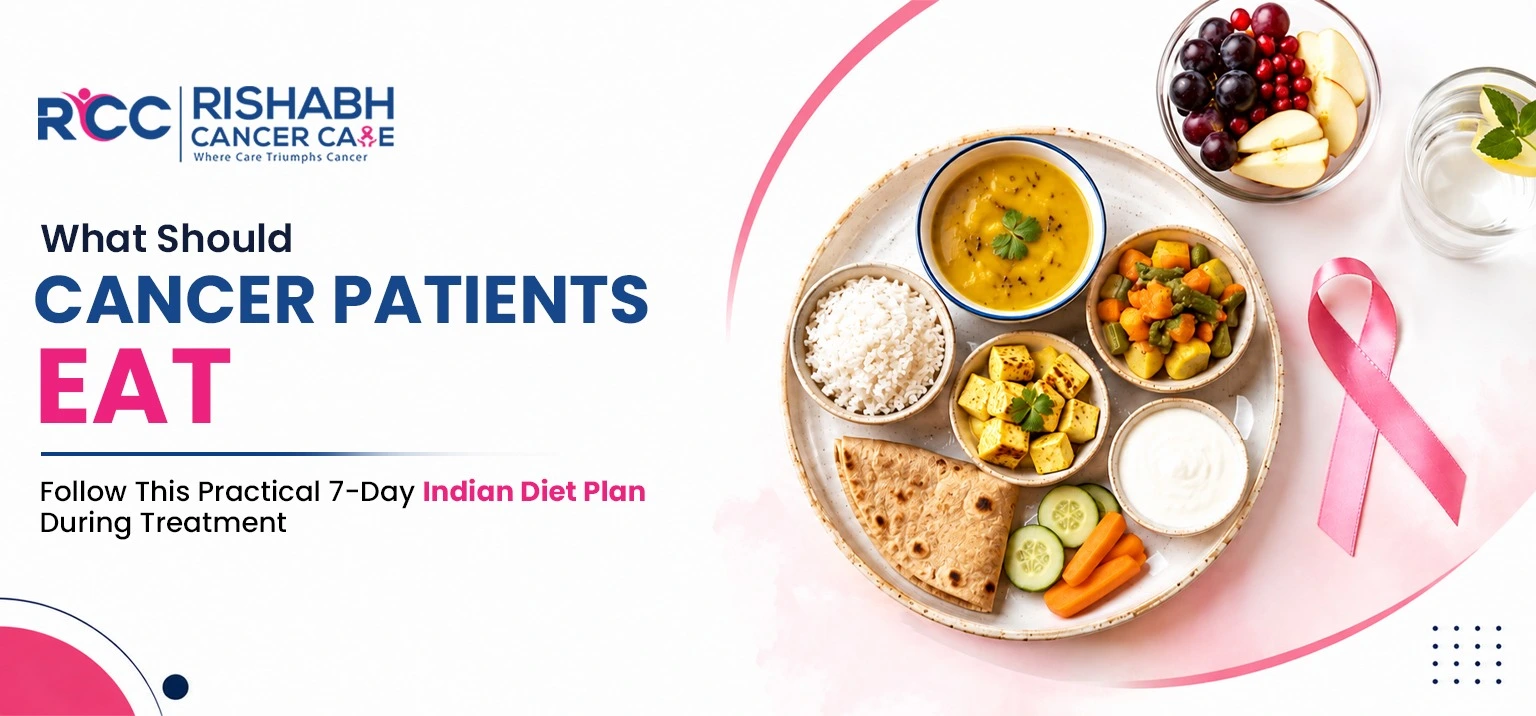
Why does eating suddenly feel uncomfortable in the throat or cause irregular bowel movements in cancer patients? An uncomfortable sensation while eating may happen because cancer treatments such as radiation or chemotherapy affect fast-dividing cells throughout the body, along with cancer cells. Post-treatment, patients commonly experience a drop in appetite, changes in taste, slower digestion and fatigue.
Within the first few weeks of treatment, you may also experience noticeable weight loss. An Indian diet plan for cancer patients is designed to address this disruption, providing structure at a stage when eating feels uncertain. It does not cure the disease nor replace prescribed medical treatment, but its purpose remains limited to supporting strength and improving treatment tolerance.
Dietary needs also vary considerably between patients, depending on cancer type, treatment, side effects and existing health conditions. For this reason, consult a reputed cancer doctor in Jaipur before making any changes based on general dietary information.
What Should a Cancer Patient Eat?
You should eat enough protein and calories to support the body during treatment. At the same time, stay hydrated. To reduce the risk of infection, prefer easy-to-digest meals and those that are hygienically prepared. This is general guidance; individual dietary needs should be confirmed with a cancer treatment team or an oncology dietitian.
Important Nutrients for Cancer Patients
Protein, calories, fluids and a varied intake of vitamins and minerals form the core of what your body needs during treatment. Here is a quick breakdown of what each one does and where to find it:
- Protein: It repairs tissue damaged by chemotherapy or surgery. Good sources of protein include dal, paneer, curd, tofu, soy, eggs, chicken and fish.
- Calories: Calories matter more when appetite drops, since smaller meals often carry less energy than the body needs. Denser options like ghee, nuts and full-fat dairy help close that gap.
- Fluid-based foods: Fluids such as water, soups and buttermilk help in better digestion and blood circulation. However, patients with kidney or heart conditions should follow doctor-approved limits.
- Vitamins and Minerals: Vitamins and minerals are best obtained through a varied diet rather than isolated supplements, which should only be added after your oncologist or dietitian recommends them.
Sample Indian Diet Plan for Cancer Patients
A single day's meal structure demonstrates how nutrients come together in practice. The table below lays out one such diet chart for cancer patients, from the first drink in the morning to an optional one before bed.
| Day | Early Morning | Breakfast | MidMorning | Lunch | Evening | Dinner |
| Mon | Warm water | Vegetable daliya | Banana | Moong dal khichdi with cooked vegetables | Roasted makhana | Paneer with soft roti |
| Tue | Milk, if tolerated | Soft idli with light sambar | Stewed apple | Rice, dal and cooked vegetables | Warm soup | Daliya khichdi |
| Wed | Warm water | Poha with peas | Yoghurt | Soft roti with paneer and vegetables | Curd | Thoroughly cooked fish with rice |
| Thu | Milk, if tolerated | Besan chilla | Seasonal fruit | Soft roti with chicken and cooked vegetables | Egg cubes | Paneer with rice |
| Fri | Warm water | Oats upma with vegetables | Banana | Moong dal khichdi | Roasted makhana | Soft roti with thoroughly cooked chicken |
| Sat | Milk, if tolerated | Vegetable daliya | Stewed apple | Rice with dal and cooked vegetables | Warm soup | Daliya khichdi |
| Sun | Warm water | Soft idli with light sambar | Yoghurt | Soft roti with paneer and vegetables | Curd | Thoroughly cooked fish with rice |
Note: The above sample plan is not a prescription. Portions and foods must be adjusted for appetite, treatment, symptoms, diabetes, kidney disease and swallowing problems.
Vegetarian and Non-Vegetarian Protein Options
To meet your daily protein needs, you can have both vegetarian and non-vegetarian sources as per your preferences. Here’s how both options compare:
- Vegetarian: This includes paneer, moong/masoor dal, curd, tofu, soy, besan and roasted chana. You can also have nut paste if you are not allergic to it.
- Non-vegetarian: Eggs, chicken and fish remain good choices when cooked completely. You can have any of them as per your preference and your doctor’s recommendation.
In addition to vegetarian and non-vegetarian options, ensure safe cooking if your immunity is weakened. This is because undercooked eggs, meat or fish carry infection risk during a period when the body cannot fight it off easily.
What to Eat Before and After Chemotherapy?
Timing your meals around chemotherapy treatment sessions can make your diet noticeably easier to manage. The following is a brief look at what you should eat before and after the treatment:
- Before Treatment: Aim for some light meals such as poha, idli, banana or plain khichdi, as they help in proper digestion.
- After Treatment: Your appetite may become narrow. Because of that, prefer smaller portions and frequent meals. Also have bland food if nausea occurs, protein-rich snacks for a better recovery and frequent sips of water and prescribed fluids.
You should always take priority for medicine-specific instructions on timing and food from the oncology team before following any general guidance.
Diet Changes for Common Treatment Side Effects
Treatment affects different patients in different ways, and your diet often needs to adjust alongside whichever symptom shows up. This is because what helps with nausea may not suit mouth sores or diarrhoea. A personalised cancer treatment plan usually accounts for these shifts as treatment progresses, so here is what to reach for and what to set aside as symptoms change:
| Symptom | Foods That May Help | Foods to Limit |
| Nausea | Dry toast, plain rice, poha, cold foods | Fried food, strong smells |
| Mouth sores | Soft khichdi, porridge, curd, mashed food | Spicy, sour, rough foods |
| Diarrhoea | Rice, banana, toast, light khichdi | Fatty or spicy meals |
| Constipation | Fluids, oats, fruit, cooked vegetables | Very low-fibre intake |
| Poor appetite | Small energy-dense meals, protein snacks | Large portions |
| Swallowing difficulty | Soups, smoothies, soft mashed meals | Dry or hard foods |
Foods Cancer Patients May Need to Avoid
Certain foods carry real risk when immunity is compromised, and knowing foods to avoid for cancer patients helps you make safer choices day to day. Here is what typically falls into the higher-risk category:
- Raw or undercooked eggs, meat and fish
- Unpasteurised dairy or juice products
- Street food prepared under unhygienic conditions
- Leftovers stored or reheated unsafely
- Alcoholic beverages
- Unapproved supplements or herbal remedies
Sugar, dairy, gluten and raw foods in general remain safe for most patients in moderation; tolerance depends on your specific treatment and symptoms. Some foods and supplements can also interact with prescribed medicines, so checking with your oncology team before adding anything new remains the safer route.
Food-Safety Tips When Immunity Is Low
When your immune system is compromised, food handling becomes as important as food choice. Here are a few habits that reduce risk significantly:
- Wash hands and produce thoroughly before preparing or eating
- Keep raw and cooked food separate at every stage
- Cook eggs, fish and meat all the way through
- Refrigerate leftovers promptly and reheat them properly
- Use clean, safe drinking water
- Avoid buffet-style or open food counters where hygiene cannot be verified
- Check expiry dates and storage conditions before consuming packaged or dairy products
Your oncology team may give specific neutropenia precautions beyond these general steps, and those instructions should take priority.
Common Cancer-Diet Myths
Misinformation around cancer and diet spreads quickly, which often increases the risk of harm. Here are some cancer diet myths demystified:
| Myth | Reality |
| Sugar causes cancer to grow faster | Cutting carbs does not cure cancer; extreme restriction can drain needed energy |
| Turmeric and giloy cure cancer | Cooking use differs from concentrated supplements, which may interact with medicines |
| Juice-only or fasting diets detoxify the body | Often reduces protein, calories and nutrients needed during treatment |
When to Contact the Doctor or Dietitian?
You should consult a doctor or dietitian if you experience sudden weight loss and painful swallowing. These symptoms are exactly what a medical oncologist in Jaipur would want to know about right away.
Also, reach out to your doctor if you experience any of the following symptoms:
- Rapid weight loss
- Inability to eat
- Repeated vomiting
- Persistent diarrhoea
- Dehydration
- Severe mouth sores
- Fever, confusion or unusual weakness
Frequently Asked Questions
1. Which Indian food is best for cancer patients?
Dal, paneer, curd, soft rice and cooked vegetables can form a dependable base for your meals during treatment. What suits you specifically depends on your appetite, treatment stage and any symptoms you are managing at the time.
2. What should a cancer patient eat for breakfast?
Poha, vegetable daliya, idli and besan chilla tend to match well early in the day. Your appetite can shift from morning to morning, so keeping a few light options ready helps.
3. Which fruits can cancer patients eat during chemotherapy?
Bananas and stewed apples are gentle choices that most patients tolerate well during chemotherapy. Wash and peel fruit carefully. Along with that, check with your doctor if mouth sores make citrus uncomfortable for you.
4. Can cancer patients drink milk or coconut water?
Both are suitable for you in most cases when there is no specific restriction in place. If you have kidney concerns or fluid limitation, then confirming with your doctor is the most feasible choice.
5. Can cancer patients eat sugar?
Sugar in moderation has a place in your diet and does not need to be eliminated. Cutting out carbohydrates entirely fails to slow tumour growth and can leave your body short on energy.
6. Which foods should be avoided during chemotherapy?
Unpasteurised products, alcohol and unhygienic street food should be set aside for the same reason during your treatment.
Have questions about your diagnosis or treatment options?