Chemotherapy, immunotherapy, targeted therapy, hormone therapy, and bone marrow transplant (BMT), planned and supervised by Dr. Rishabh Jain, DM Medical Oncology from AIIMS New Delhi. Every plan is based on your cancer type, stage and tumour test results.
Dr. Rishabh Jain, a medical oncologist in Jaipur trained at AIIMS New Delhi, plans every treatment around the exact type and stage of your cancer. No two cancers are alike, and no two treatment plans should be either. Meet Dr. Jain →
Biopsy review, scans and tumour (molecular) testing before treatment starts.
Plans follow current NCCN and ESMO international oncology guidelines.
Surgery or radiation, when needed, is planned together with surgical and radiation oncologists.
Regular reviews, side-effect care and direct follow-up with the same doctor.
Select a treatment to see what it is, who it is for, how it is given and how side effects are managed.
Chemotherapy uses medicines to destroy cancer cells or stop them from growing. It may be given before surgery to shrink a tumour, after surgery to lower the chance of recurrence, or as the primary treatment for cancers such as leukaemia and lymphoma.
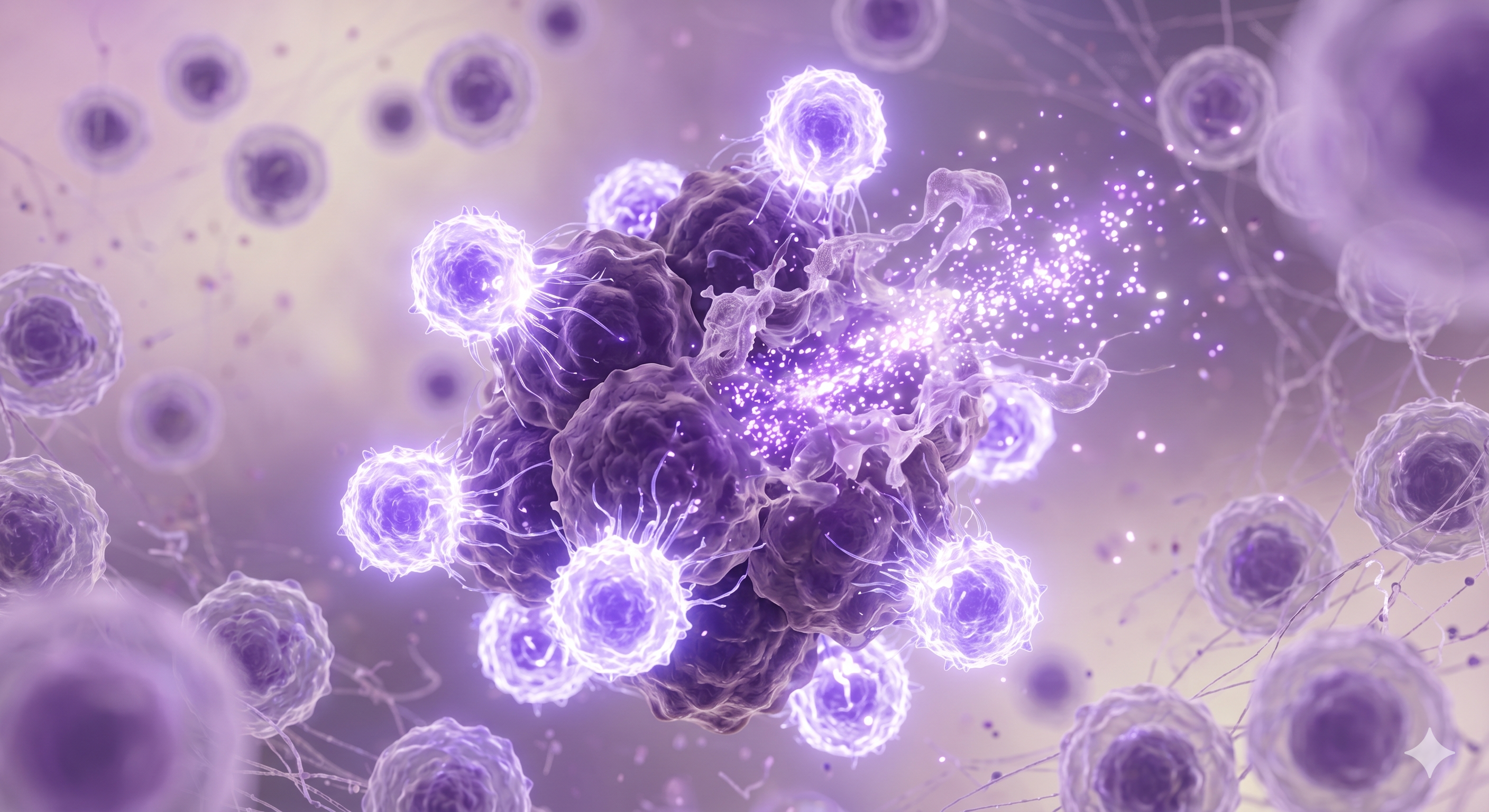
Immunotherapy helps your body's immune system recognise and attack cancer cells. Checkpoint inhibitors (PD-1/PD-L1, CTLA-4) provide long-lasting responses and improved quality of life across many advanced solid tumours.
Molecular-targeted therapy blocks specific genes, proteins, or signalling pathways that cancer cells require to grow and survive. Selected after precision tumour genomic testing to spare healthy normal cells.

Hormone therapy slows or stops the growth of hormone-sensitive tumours by lowering hormone levels or preventing hormones from attaching to cancer cells. Commonly prescribed for breast, prostate, and gynecologic cancers.
Bone Marrow Transplant (BMT) and stem cell transplantation replace damaged or cancerous bone marrow with healthy blood-forming stem cells. It offers curative potential for multiple blood cancers and severe hematologic disorders.
An expert review of your existing biopsy, imaging scans, and treatment protocol by an AIIMS-trained medical oncologist. Confirms your diagnosis and ensures you have access to the latest clinical options.

Comprehensive genetic risk assessment and next-generation DNA testing (including BRCA1, BRCA2, Lynch Syndrome) for families with multiple cancer cases or early cancer onset.

Dedicated supportive care integrated alongside active curative cancer treatments to control pain, relieve distressing symptoms, support nutrition, and enhance overall quality of life for patients and their families.
A simple overview. The right treatment, or combination, depends on your cancer type, stage and test results.
| Treatment | How it works | How it is given | Commonly used for |
|---|---|---|---|
| Chemotherapy | Destroys fast-growing cancer cells systemically throughout the body. | Drip in day care, tablets or injections, given in cycles with recovery periods. | Most cancers, including breast, colon, lung, lymphoma and leukaemia. |
| Immunotherapy | Re-activates the patient’s immune system to recognize and attack tumours. | Drip infusion every 2 to 4 weeks in day care. | Certain lung, kidney, bladder, head & neck cancers, and melanoma. |
| Targeted therapy | Blocks specific abnormal genes or proteins driving cancer growth. | Daily tablets at home or targeted drips. | HER2+ breast cancer, EGFR/ALK lung cancer, and GI tumours. |
| Hormone therapy | Lowers or blocks hormone signals that feed hormone-sensitive tumours. | Tablets or monthly injections, often for several years. | Hormone receptor-positive breast cancer, prostate cancer. |
| Bone Marrow Transplant (BMT) | Replaces diseased bone marrow with healthy blood stem cells. | Conditioning chemotherapy followed by IV stem cell infusion in sterile unit. | Multiple Myeloma, Leukaemia, Lymphoma, and Aplastic Anemia. |
| Second Opinion | Independent expert validation of diagnosis and treatment blueprint. | In-person clinic review or online report review. | All cancer types before starting or modifying therapy protocols. |
| Hereditary Cancer | Multi-gene NGS genomic testing and inherited cancer risk assessment. | Blood or saliva DNA test with personalized genetic risk counselling. | Hereditary breast, ovarian, colorectal, and prostate cancer risk families. |
| Palliative Care | Comprehensive symptom management, pain relief & psychosocial care. | Supportive medications, infusions, and tailored holistic care plans. | Pain, nausea, fatigue relief, and enhancing quality of life at any cancer stage. |
Thorough review of your history, symptoms and existing reports by Dr. Rishabh Jain.
Biopsy, PET-CT, MRI and tumour molecular testing, if not already completed.
Personalized blueprint discussed with surgical and radiation oncologists where needed.
Medical treatment by Dr. Jain; surgery or radiation coordinated with trusted partner specialists.
Regular blood tests and follow-up scans to check tumour response and manage side effects.
Scheduled check-ups to monitor remission and support long-term healthy recovery.
Expert medical oncology care for solid tumours and blood malignancies.
Accessible, state-of-the-art oncology centres equipped for clinical consultations, day care infusions, and comprehensive cancer therapy.
Have questions about your treatment plan, medications, or timelines? Still unsure? Call us and our team will help you book the right consultation.
Call +91 92511 45608The drip itself is usually not painful beyond the small initial needle prick. Side effects like mild nausea or tiredness are proactively managed with modern supportive medications.
It depends on the specific drug protocol. Some regimens cause temporary hair loss while others do not. Hair begins growing back naturally a few weeks after treatment finishes.
Most chemotherapy is administered in our modern day care unit, allowing you to return home comfortably the same day. Only select intensive regimens require hospital admission.
Neither is universally better. Immunotherapy works exceptionally for certain molecular profiles, while chemotherapy remains best for others. Frequently, both are combined for maximal efficacy.
Chemotherapy is commonly given over 3 to 6 months in cycles, while oral targeted therapy or hormone therapy may continue longer. A clear personalized roadmap is provided during consultation.
Treatment cost depends on the cancer stage, chosen medication protocols, and duration. Dr. Jain provides transparent cost estimates with insurance coverage guidance.
Many patients continue working during treatment, with brief schedule adjustments around infusion days. Your care plan is tailored to maintain your daily lifestyle.
Yes. Dr. Jain routinely reviews outside medical records, histopathology slides, and imaging to confirm diagnoses and explore advanced alternatives.
Talk to Dr. Rishabh Jain, AIIMS-trained cancer specialist in Jaipur, and get clarity on your diagnosis and treatment options.